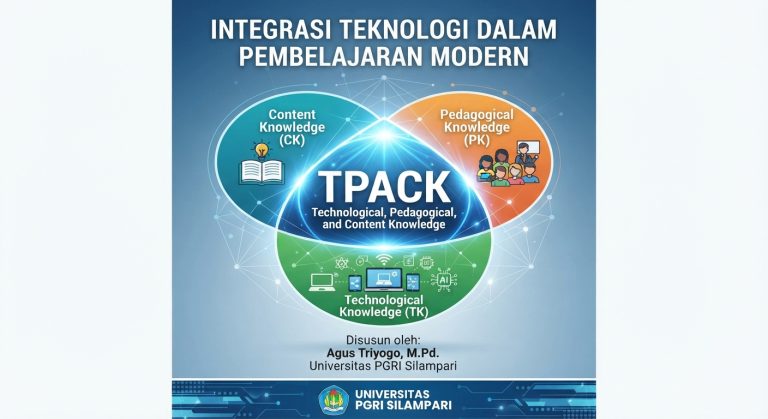
Integrating Information and Communication Technology (ICT) into reading instruction
Integrating Information and Communication Technology (ICT) into reading instruction transforms passive text decoding into an interactive, multimodal, and student-centered experience. Within Computer-Assisted Language Learning (CALL) and Technology-Enhanced Language Learning (TELL) frameworks, digital tools scaffold comprehension, foster learner autonomy, and provide immediate diagnostic feedback.
1. Structuring an ICT-Based Reading Lesson
Effective technology integration aligns specific digital tools with the three classic phases of reading instruction rather than using technology merely as a digital substitute for paper.
Pre-Reading (Schema Activation & Vocabulary Scaffolding)
-
Visual & Multimedia Anchors: Use short video clips, interactive maps, or digital infographics to build background knowledge before students encounter complex texts.
-
Collaborative Brainstorming: Deploy digital bulletin boards (Padlet or Jamboard alternatives) where students post predictions based on a text’s title, cover image, or key vocabulary.
-
Digital Word Clouds: Generate word clouds (Mentimeter or WordArt) from the target reading passage to highlight high-frequency terms and prompt students to predict the main theme.
Whilst-Reading (Active Engagement & Scaffolding)
-
Social & Collaborative Annotation: Have students highlight, comment on, and ask questions directly in the margins of shared digital texts using platforms like Perusall, Hypothes.is, or Google Docs.
-
Instant Glossing & Readability Tools: Equip learners with browser extensions (Readlang or Immersive Reader) that provide instant click-to-translate definitions, text-to-speech audio support, and customizable font spacing to reduce cognitive load.
-
Interactive Guided Reading: Embed comprehension checkpoints directly into digital texts using H5P (Interactive Book or Branching Scenario) or CommonLit, ensuring students process key ideas before moving to the next section.
Post-Reading (Synthesis, Analysis & Assessment)
-
Text-to-Infographic Synthesis: Task students with condensing long expository or narrative passages into concise visual summaries using Canva or Piktochart, reinforcing summarization and visual hierarchy skills.
-
Gamified Formative Checks: Use Quizizz, Kahoot!, or Blooket for low-stakes comprehension checks focusing on inference, main ideas, and contextual vocabulary.
-
AI-Assisted Critical Reflection: Guide students to use generative AI tools to test their understanding—such as asking an AI to quiz them on the text, generate counterarguments, or compare their own summary against a model summary.
2. ICT Toolkit by Reading Objective
| Reading Focus | Recommended ICT Tools | Practical Classroom Application |
| Main Idea & Summarization | Canva, Piktochart, MindMeister | Converting dense articles into structured infographics, story maps, or digital mind maps. |
| Deep & Critical Reading | Perusall, Hypothes.is, Google Docs | Peer-to-peer margin discussions, identifying author bias, and annotating rhetorical structures. |
| Vocabulary & Fluency | Microsoft Immersive Reader, Readlang, Quizlet | Audio-assisted reading, syllable breakdown, and spaced-repetition flashcards built from text vocabulary. |
| Interactive Comprehension | H5P, Edpuzzle (for video-text pairing), Wordwall | Embedding drag-and-drop sequence tasks, fill-in-the-blanks, and true/false checks inside LMS modules. |
| Differentiated & Extensive Reading | Newsela, ReadWorks, Epic! | Assigning authentic articles automatically adapted to different Lexile/proficiency levels for autonomous reading. |
A Joyful Afternoon with Balloons

In the cozy living room, a young child with messy, wavy brown hair is smiling brightly while holding a bunch of colorful balloons. The child is wearing a yellow-and-white striped t-shirt underneath classic blue denim overalls. With both hands, the child tightly grips the white ribbons tied to a shiny red heart-shaped balloon, two golden star-shaped balloons, and a round blue balloon. Looking up at the floating balloons with wide eyes and an open-mouthed laugh, the child appears full of excitement and wonder. In the background, a bright window illuminates a tidy play area featuring low wooden shelves filled with children’s picture books, storage bins, and a small toy dinosaur on a patterned blue-and-white rug.
Reading Comprehension Questions
1. What is the child wearing in the picture?
-
A. A red jacket and black pants
-
B. A striped t-shirt and blue denim overalls
-
C. A yellow dress and white shoes
-
D. A blue sweater and shorts
2. Which of the following balloons is NOT held by the child?
-
A. A red heart-shaped balloon
-
B. Two golden star-shaped balloons
-
C. A round blue balloon
-
D. A green oval balloon
3. How does the child feel in the story?
-
A. Sleepy and bored
-
B. Scared and nervous
-
C. Excited and happy
-
D. Angry and upset
4. Where is the child standing?
-
A. In a cozy living room or play area
-
B. In a crowded outdoor park
-
C. Inside a school classroom
-
D. At a birthday party restaurant
5. What can be seen on the wooden shelf behind the child on the right?
-
A. A stack of notebooks
-
B. A small toy dinosaur
-
C. A glass vase with flowers
-
D. A potted green plant